

The room you return to
On rituals, rooms and the need for intentional gatherings.

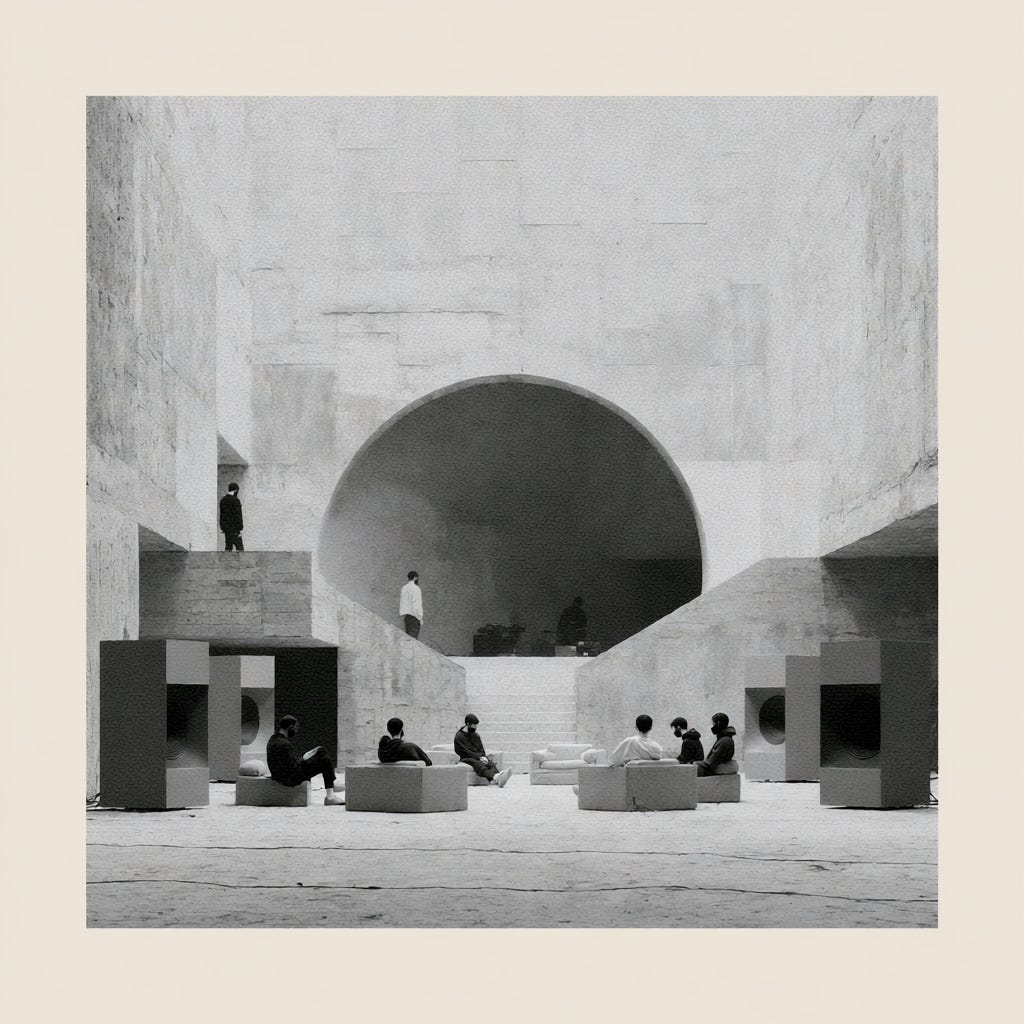
This summer there is a room that we’ve found ourselves going back to most weeks. We’re not going to name it, but it’s an intimate space where we gather with fifteen, maybe twenty friends to listen to music. The music is live, improvised and unrehearsed. During this time, nobody really talks, nobody is on their phone. The music starts and continues until it stops. During that time, something happens that can only really be felt by the people that were there, that actually experienced it.
It goes without saying that building experiences for people is becoming good business. In the age of tasteslop, we’re increasingly seeing people look for meaning that the feed can’t give them and brands are rushing to meet this demand with an increasing frequency of curated, community-driven events in the form of soft clubbing, sober raves, marathon sound baths, supper clubs and reading parties. The industry has never been more fluent in signalling all the cues of a perfectly curated event. So why do so many of these rooms feel so hollow, and what does the one we keep returning to have that they don’t?
Branded events are designed to deliver impact in the form of attendance, coverage, engagement and reach. Resources go into creating a singular moment where success is often about what happened in the room that day. Savvy brands will think about how these events can feed into broader marketing initiatives, creating “content” for those who weren’t able to attend the event, spreading the reach of the activation further. The problem is that none of these metrics focuses on the long term effect these moments can have on people.
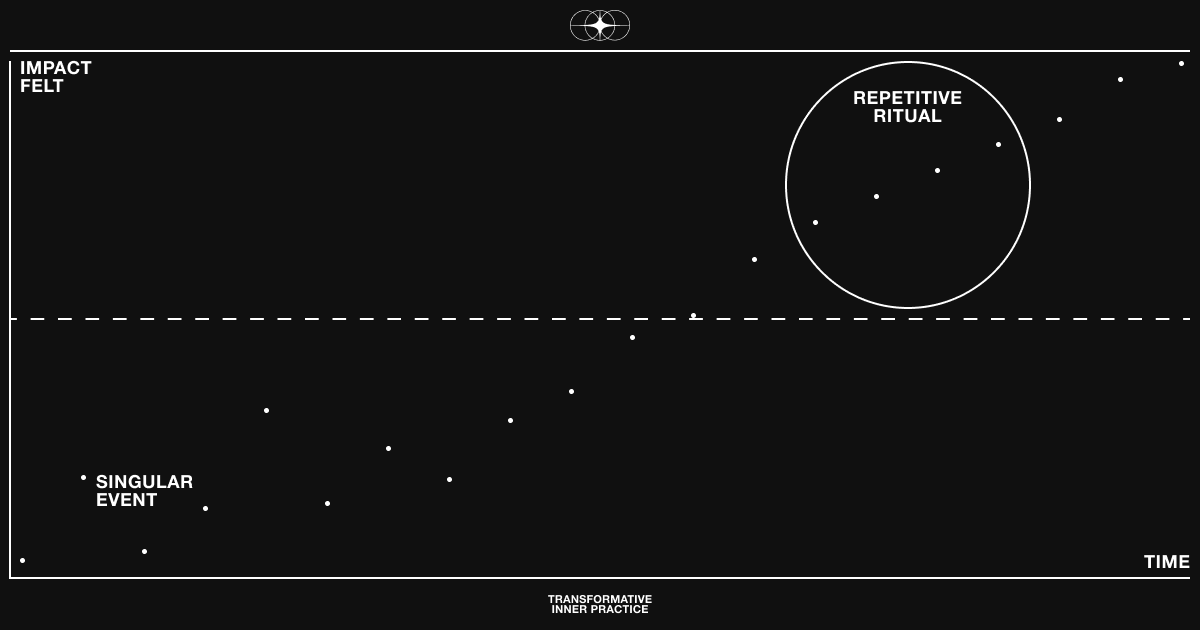
In other words, what rarely gets measured or thought about, is transformation. A singular evening can have an impact, but long-term change in an individual arrives through ritual and repetition. The same practice, returned to with intention until it’s not the world that’s different but you and the way you see it. Spaces that facilitate long-term transformation provide conditions for ritual, not campaigns. They are containers, allowing people to gather with consistency and leaving space for whatever might unfold… And it’s not a new thing.
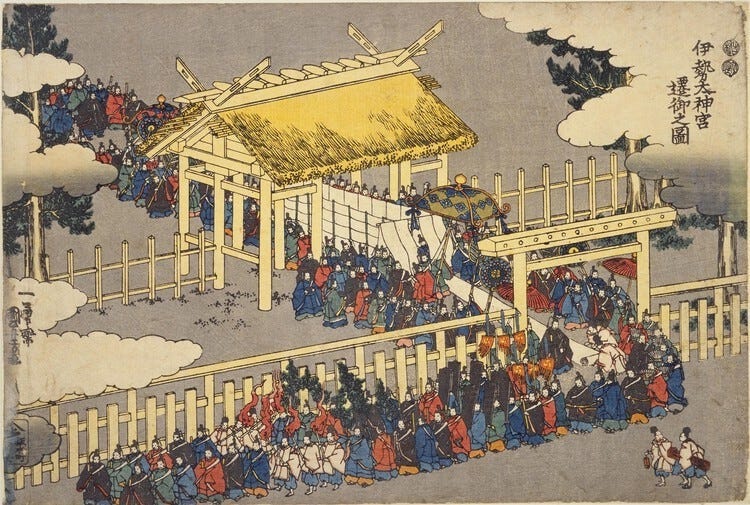
In Ise, Japan, every twenty years, the country’s most sacred Shinto shrine is dismantled and then rebuilt identically on an adjacent plot. This process is called Shikinen Sengu, and it has been practiced since 690 AD. Nothing about the format changes other than the people. The shrine is demolished on purpose again and again, thirteen centuries of throwing away the product to maintain the practice.
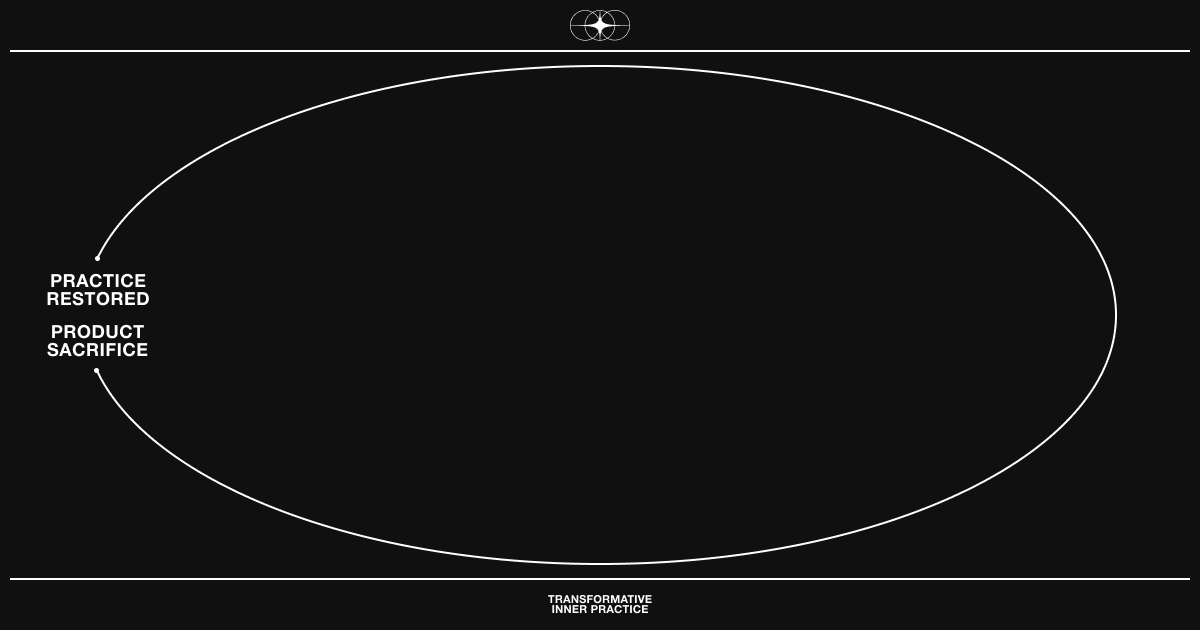
The opportunity for brands to nurture practice and transformation is a play that goes beyond arbitrary engagement metrics. One only needs to look at the longstanding gold standard of architecting meaning into brand activations, the Red Bull Music Academy, to see the effect of building spaces that facilitate transformation, but in order to do so, we first must learn to throw away the product and rather focus on what needs to be done to facilitate the practice.
Intentional gathering as transformative practice
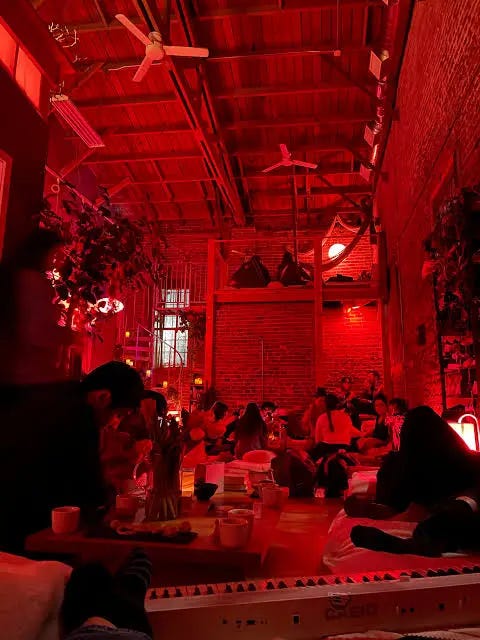
Tea at Shiloh is a Los Angeles based teahouse founded by Shiloh Enoki. The idea came when Enoki couldn’t find a late-night space that didn’t revolve around alcohol. When entering the RSVP-only teahouse in the Arts District, visitors are asked to remove their shoes and what their intention is for being there. A long communal table helps facilitate interactions with strangers, whilst floor pillows, art supplies and hand-blended teas create space for creativity and reflection. Nobody is on their laptop and the experience is far from transactional. Tea at Shiloh isn’t designed to scale. The question at the door, checked like a coat, sets the intention and the room holds space for intentional gathering and quality of attention.
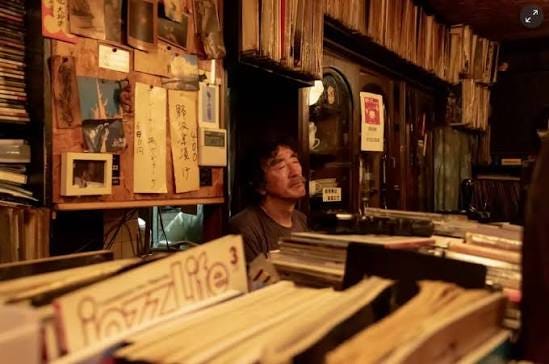
In post-war Japan, when audio equipment was expensive and hard to come by, people gathered in dedicated rooms called jazz kissas to listen to records together. Conversation was discouraged and the collective experience of listening to music was the focus. Today, we are again seeing a rise in listening room culture as more people crave a shared listening ritual. Shai Space in London opened in 2024 as a direct response to digital overload and alcohol-centred nightlife whilst Notre Dame Music Bar in Paris exists, in co-founder Julien Chavane’s words, because “people want music selected by a human and not an algorithm”. These spaces allow for a more immersive and focused listening experience allowing visitors to truly engage with the ritual of listening to music in an environment built for creating the best sound.
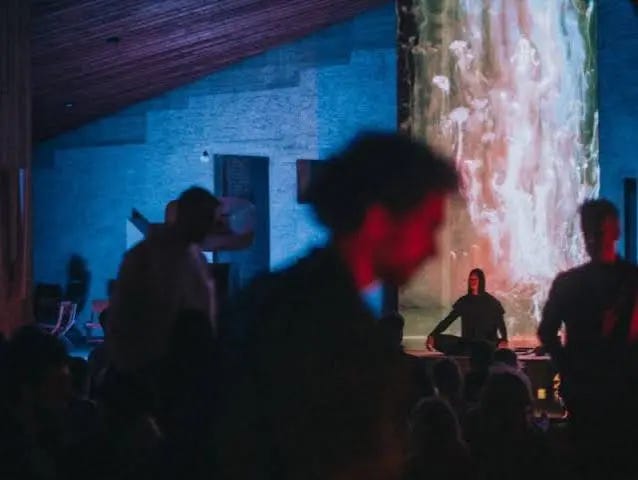
Alternatively, we’re seeing the rituals of club culture, reshaped as meditative practice. Amsterdam’s ZERØBPM hosts Sunday ceremonies as ambient rituals that take place in churches and cultural spaces with all the markings of a club experience but focused on the practice of meditation. The space is designed to create an elevated experience allowing practitioners to go deeper into their ritual with themselves and each other. In London, Om Being has also taken the tools of the club but pointed them at a different practice. The space is an intimate movement studio in Hackney Downs, combining hi-fidelity sound with a community that shows up week after week for yoga, sound baths and intentional connection building ritual through repetition and a highly curated and considered space.
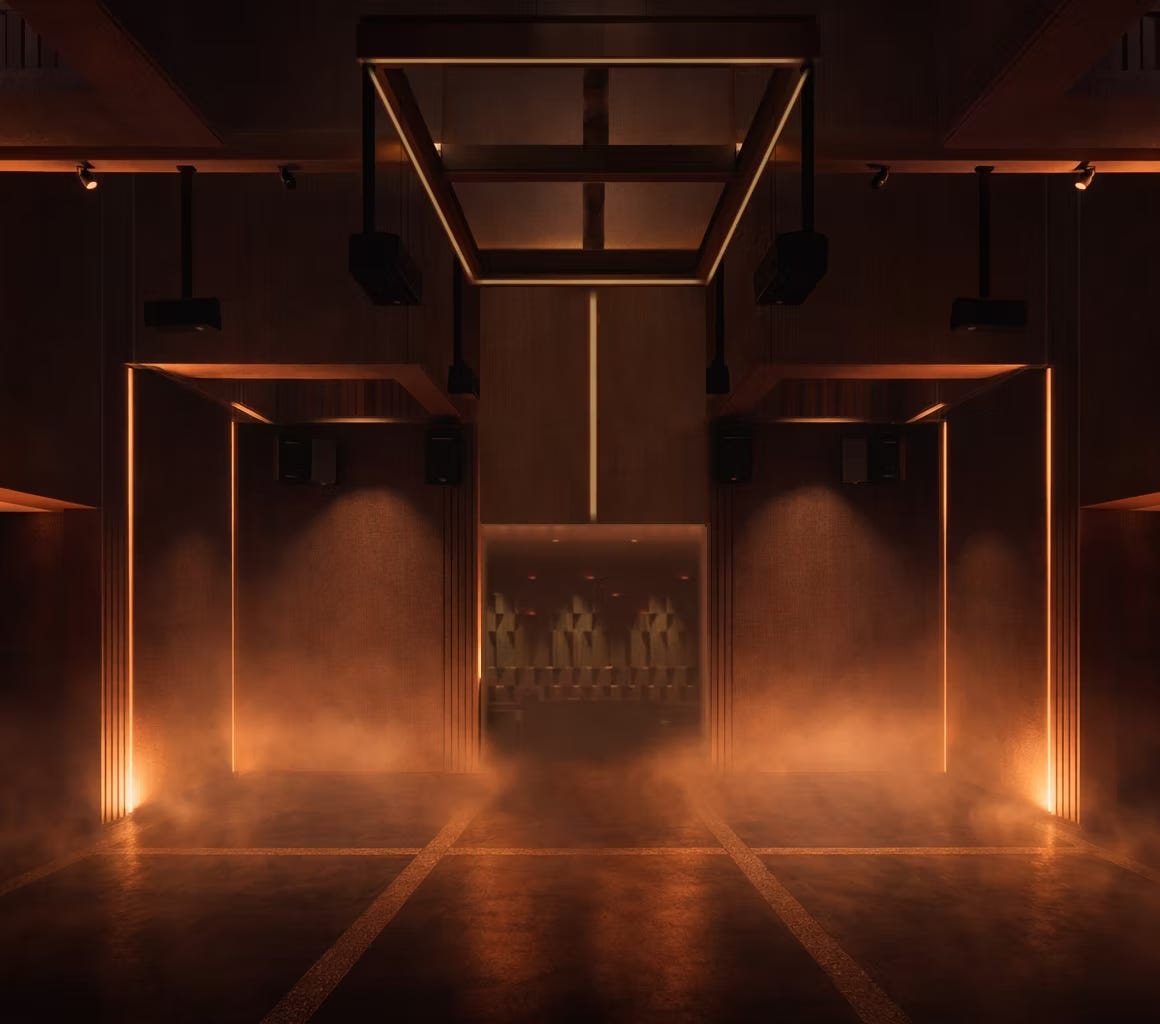
We’re also starting to see intentional gathering as a means of programming in the hospitality space too. On the Northern shores of Portinatx, Ibiza, Nômade Temple opened this last month. The space, a beautifully designed 182 room property is being built around ritual practice as much as amenity. Daily yoga, meditation and sound healing in an Escher-inspired temple, an intentional listening room built on the kissa tradition as well as a daily programme of breathwork, community dinners and stargazing signal a more intentional curation for the space. Whether a hotel can genuinely be a space for intentional gathering is certainly a valid criticism and time will tell how much of this is aesthetic decoration, but a hotel on one of the most commercially pressured islands on earth built on a conviction that a stay can be a practice and not just a transaction is an interesting signal nonetheless.
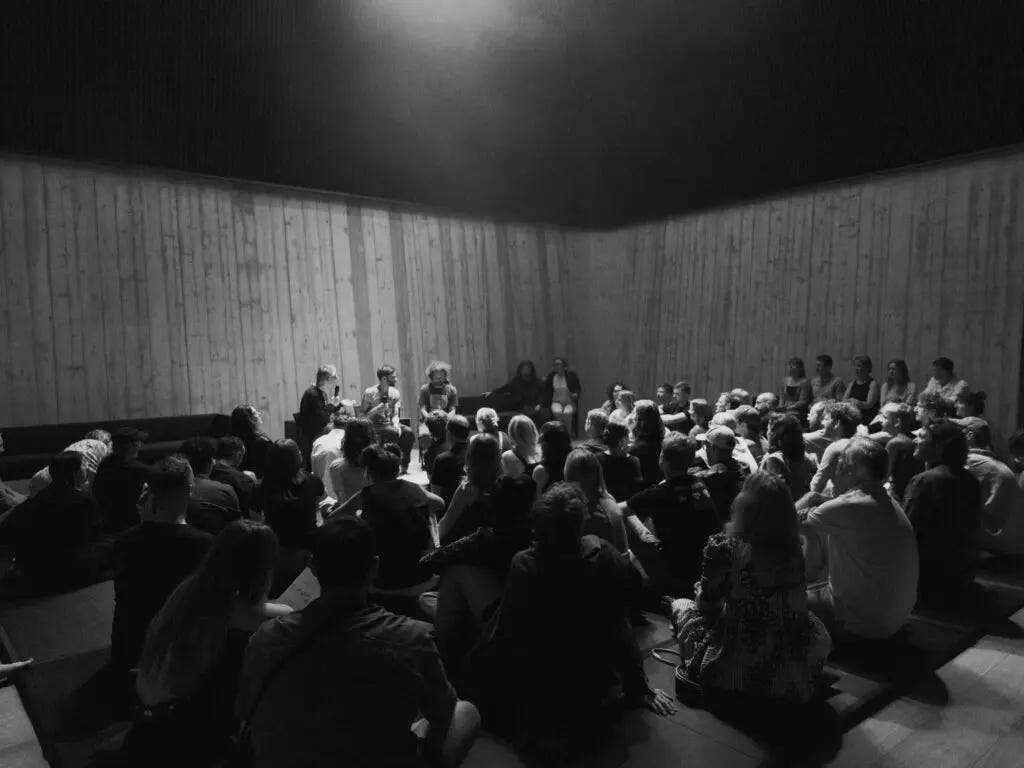
A similar signal was the seed for Reethaus in Berlin. Designed by Slowness, the hospitality architecture collective founded by Claus Sendlinger, takes the listening experience to the architectural extreme and delivers a well curated program that ranges from tibetan monks to Brian Eno or Jon Hopkins. Its founder put it very simple: “It’s a space where people can come to listen, not just with their ears, but with their whole bodies.”
The reality check for the industry
The reality of building for intentional gathering is a difficult sell. You can’t market it with a highlight reel, because the value sits in the accumulation rather than the highlight. You can’t sell transformation because change doesn’t happen over night. Events and moments that transform often spark a change that isn’t felt until months or even years after the original event.
Protection is the discipline at the centre of intentional gathering. Not optimising, not scaling, not documenting, just holding. Holding a space with a clear enough intention, a simple enough intention and an honest enough intention that participants can join time and time again without wearing thin. Protection isn’t about control. The container is fixed but what happens inside it belongs to the people who keep showing up until over time they shape what the space becomes.
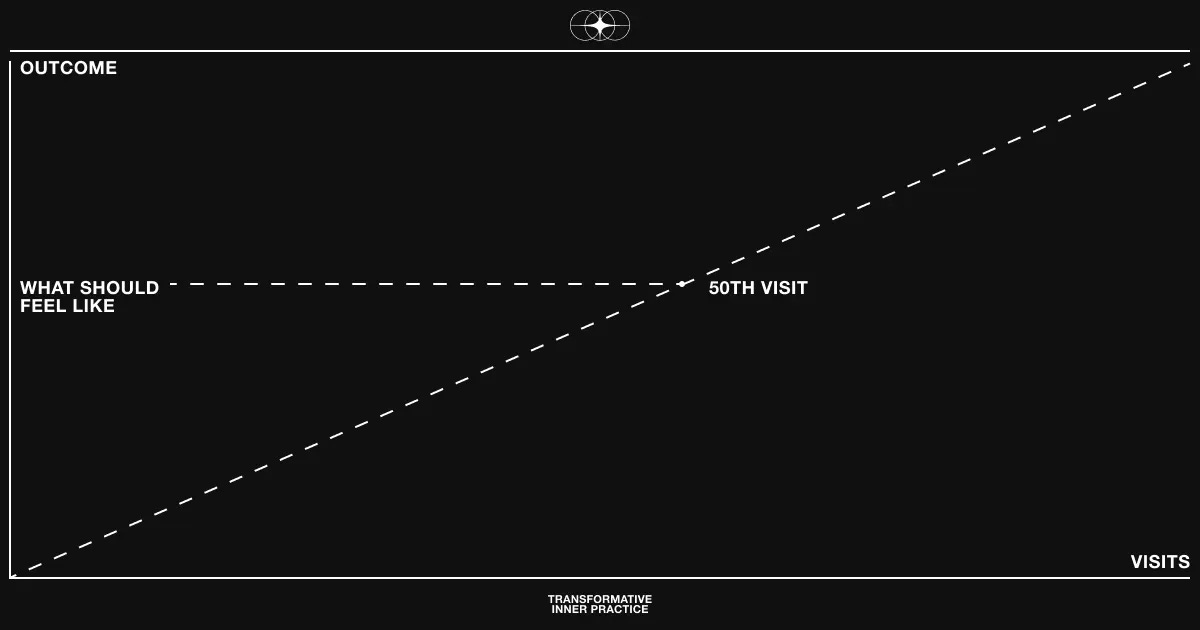
Building for this means brands designing for the fiftieth visit rather than the first, understanding containers as well as content and building for human return rather than brand reach. It changes the question from. “What will we deliver?”, to, “what practice are we inviting people to return to?”, and then allowing that answer to shape everything downstream from format to scale and measures of success.
An event has to justify the price of admission but a ritual has to justify the commitment to return.
In a culture that can generate taste on demand, choosing the same room, the same practice, the same intention, and letting time do the work of transformation might be the most radical design decision available to us.
TRIP Field Notes.
TRIP is a temporary inquiry into transformative inner practice. We build resonant, human experiences around the ritual of training. If the above resonates and you want to talk, we’d love to hear your thoughts, ideas, dreams. Drop us a note in hello@tr-i-p.com
So good. The idea that in the age of tasteslop people are chasing the kind of meaning the feed cannot give them is exactly right. Live improvised music in a room nobody names is the antidote.